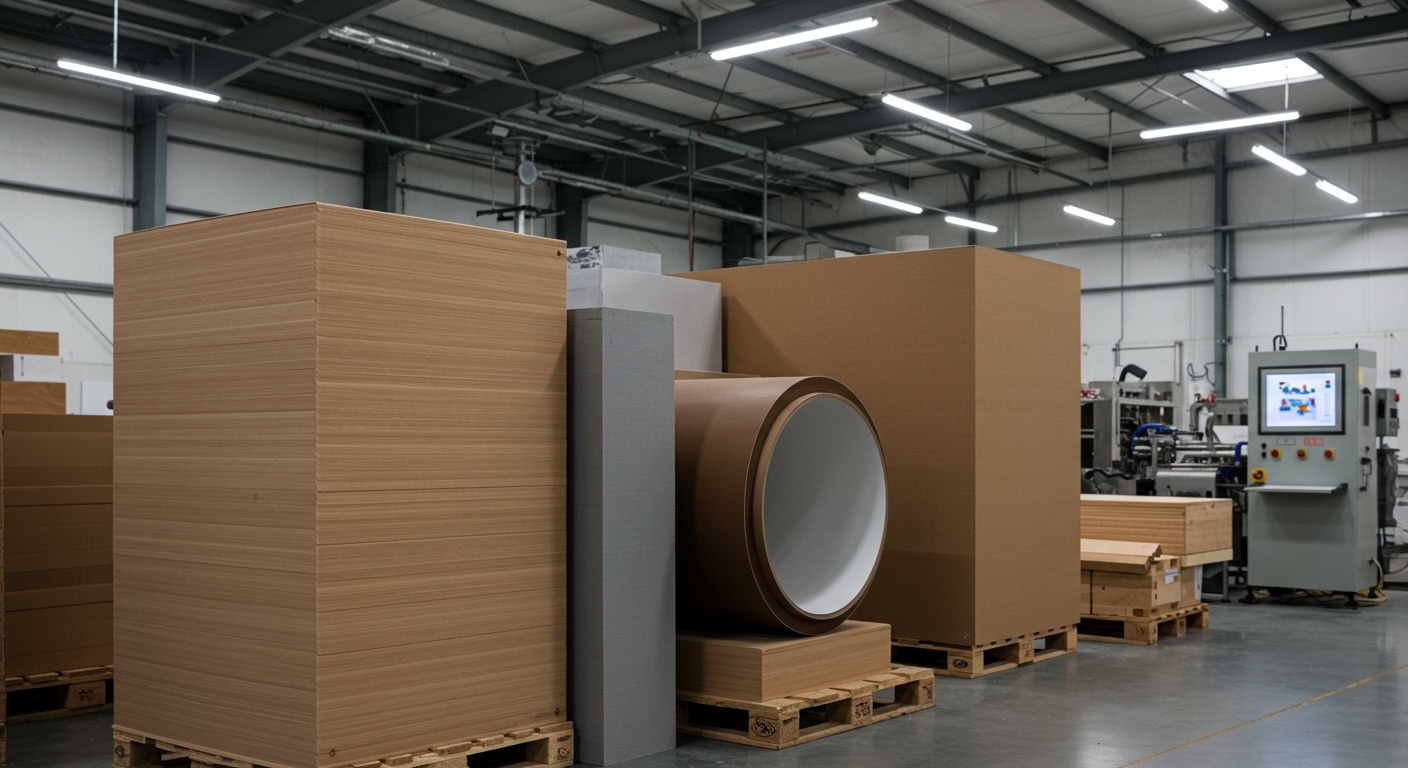
Sustainable packaging uses materials and design choices to reduce environmental impact across the entire product lifecycle. This holistic approach considers everything from raw material sourcing and manufacturing to consumer use and end-of-life scenarios like recycling, composting, or reuse. It moves beyond a single “green” attribute to assess the true footprint of your packaging.
For CPG brands, adopting sustainable packaging is a strategic imperative. The shift is driven by consumer demand, retailer mandates, and evolving global regulations like plastic taxes. It directly impacts brand perception, builds loyalty, and creates a more resilient supply chain by reducing reliance on virgin materials. Your sustainability story is best told by the tangible, responsible package your customer holds.
Sourcing sustainable packaging is complex, defined by rapidly evolving material science and intricate claims. Procurement managers must navigate the risk of greenwashing, verify the technical performance of new materials, and balance sustainability goals with the practical realities of cost, scalability, and local waste management infrastructure.







Key Capabilities to Evaluate
- Look for partners with strong material science expertise who can guide you through the trade-offs of options like post-consumer recycled (PCR) content, bioplastics such as PLA or PHA, and advanced fiber-based solutions.
- A supplier's ability to design for end-of-life is critical. This includes using mono-materials, compatible inks, and adhesives that don't contaminate recycling streams or inhibit composting.
- Request Lifecycle Assessment (LCA) data to verify a supplier's environmental claims. This data helps you compare options based on metrics like carbon footprint or water usage, moving beyond simple marketing.
- Your supplier must demonstrate deep knowledge of international regulations. They should act as a partner in navigating standards like the EU's PPWR or FDA requirements for food-contact materials, ensuring market access and compliance.
Questions to Ask Suppliers
- Can you provide full traceability for your raw materials, including certifications of origin and the exact percentage of recycled content?
- What is your validation process for package and product compatibility, including shelf-life studies and transit testing for our specific application?
- How do your packaging solutions perform in the actual recycling or composting facilities in our key sales markets? Can you provide data to support this?
- What is your innovation roadmap for next-generation materials and circular economy business models?
- Can you share case studies or performance data showing how you've helped other brands reduce their environmental footprint?
Red Flags to Watch For
- Be wary of vague claims like "eco-friendly" or "green." Reputable suppliers substantiate their claims with specific data, third-party certifications, and clear lifecycle information.
- A one-size-fits-all approach is a major red flag. A good partner will have a nuanced discussion about your product's specific barrier, durability, and shelf-life requirements before recommending a material.
- An inability to provide current compliance documentation for your target markets is a significant risk. This can lead to customs delays, fines, or forced product recalls.
- Avoid suppliers who are not transparent about the real-world end-of-life challenges of their materials. A good partner will openly discuss the limited availability of industrial composting facilities for PLA in certain regions.
Relevant Certifications Explained
- Verify Forest Stewardship Council (FSC) certification for paper and fiber-based packaging to ensure the raw material comes from responsibly managed forests that protect environmental and social standards.
- Look for ISO 14001, which certifies that a manufacturer has an established Environmental Management System (EMS). It demonstrates a company's commitment to improving its environmental performance.
- Third-party compostability certifications, like BPI in North America or TÜV Austria's 'OK compost' in Europe, verify that a material will break down as claimed under specific industrial composting conditions.
- Always confirm that a material has the appropriate food-contact safety certifications for your sales regions, such as FDA approval in the United States or equivalent EU conformity. A sustainability claim does not automatically guarantee food safety.
Typical Lead Times and MOQ Expectations
- Expect higher Minimum Order Quantities (MOQs) compared to conventional packaging, as suppliers need volume to justify production runs for non-standard or custom-formulated materials.
- Lead times are often longer due to more complex supply chains for raw materials like certified PCR or biopolymers. Plan for an additional 4-8 weeks on a first order, particularly if new tooling is required.
- Your project timeline must include a dedicated phase for prototyping and testing. Rushing the validation of a new sustainable material's compatibility and transit performance is a common and costly mistake.