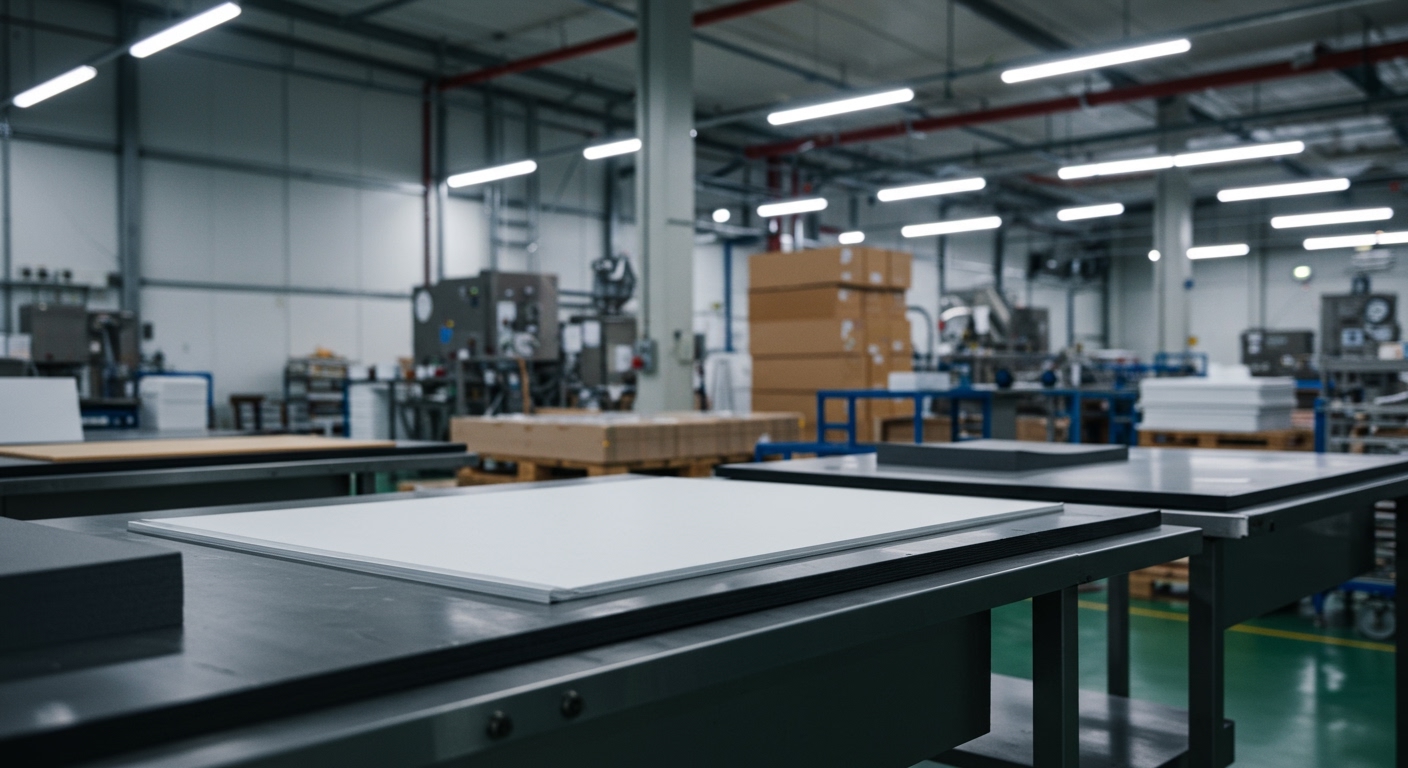
Food packaging is more than a container—it’s the first line of defense for your product and the primary way you communicate with consumers on the shelf. The right packaging is critical for maintaining food safety, extending shelf life, and complying with global regulations. It also plays a pivotal role in brand perception, conveying quality and sustainability to influence purchasing decisions.
Sourcing food packaging is a complex task. You must navigate stringent material safety requirements, ensure compatibility with your specific product, and adapt to the fast-evolving landscape of sustainable options. Managing a global supply chain with varied compliance standards and lead times adds another layer of difficulty, making the right supplier partnership essential for success.









Key Capabilities to Evaluate
- Assess a supplier's material science expertise. A strong partner can recommend materials and barrier layers tailored to your product’s specific properties like moisture sensitivity, fat content, and pH level.
- Prioritize partners with in-house structural design and rapid prototyping. These services allow you to test fit, function, and ergonomics before committing to expensive production tooling.
- Review their full range of printing and finishing capabilities. Your brand’s visual identity depends on their ability to execute high-quality printing, laminations, and specialized coatings.
- Confirm they provide clear documentation for food-grade compliance and full material traceability. This is non-negotiable for risk management and essential for handling any potential product recalls.
- Examine their sustainability portfolio. A forward-thinking supplier will offer options like PCR content, compostable materials, or designs for material reduction, and provide data to back up their claims.
Questions to Ask Suppliers
- What is your process for ensuring material compatibility with our specific food product, including any required migration testing?
- Can you walk me through your quality control and food safety protocols, including your HACCP plan and environmental monitoring program?
- How do you manage raw material supply chain volatility, and what are your contingency plans to mitigate production delays?
- Please provide case studies of similar products you have packaged, detailing the challenges you solved.
- How do you ensure compliance with food-contact regulations for different international markets we plan to enter, such as for the FDA, EFSA, or others?
Red Flags to Watch For
- Vague answers about food safety certifications or an unwillingness to share recent audit reports. This is a critical area with no room for ambiguity.
- A one-size-fits-all approach to materials, offered without a deep dive into your product's specific characteristics and shelf-life goals.
- An unclear or incomplete traceability system. If they can’t track raw materials from start to finish, your brand is exposed to significant risk.
- Bold claims about new or sustainable materials that aren't backed by third-party testing data or official certifications.
- Slow or incomplete communication during the inquiry phase. This often signals how they will respond when real problems arise during production.
Relevant Certifications Explained
- Prioritize suppliers holding a Global Food Safety Initiative (GFSI) recognized certification, such as BRCGS, SQF, or FSSC 22000. These are the global gold standard for food safety and quality management.
- ISO 9001 shows a commitment to general quality management. While beneficial for process consistency, it is not a substitute for a dedicated food safety certification.
- For paper or board packaging, look for FSC or PEFC certifications. These verify that materials are sourced from responsibly managed forests.
- Insist on a Declaration of Compliance (DoC) for all food-contact materials. This document confirms the packaging meets relevant legislation in your target markets, such as FDA rules in the US or EFSA regulations in the EU.
Typical Lead Times and MOQ Expectations
- MOQs are driven by material and process. Stock items may have low MOQs, while custom-printed, multi-layer packaging often requires larger runs to be cost-effective.
- Expect initial lead times for a new, custom project to span several weeks or even months. This must account for design finalization, tooling creation, material procurement, and initial production trials.
- Lead times for repeat orders are typically shorter but can still require several weeks, depending on production schedules and raw material availability.
- When sourcing internationally, factor in logistics. Ocean freight can add several weeks to your total lead time compared to domestic or near-shore manufacturing.