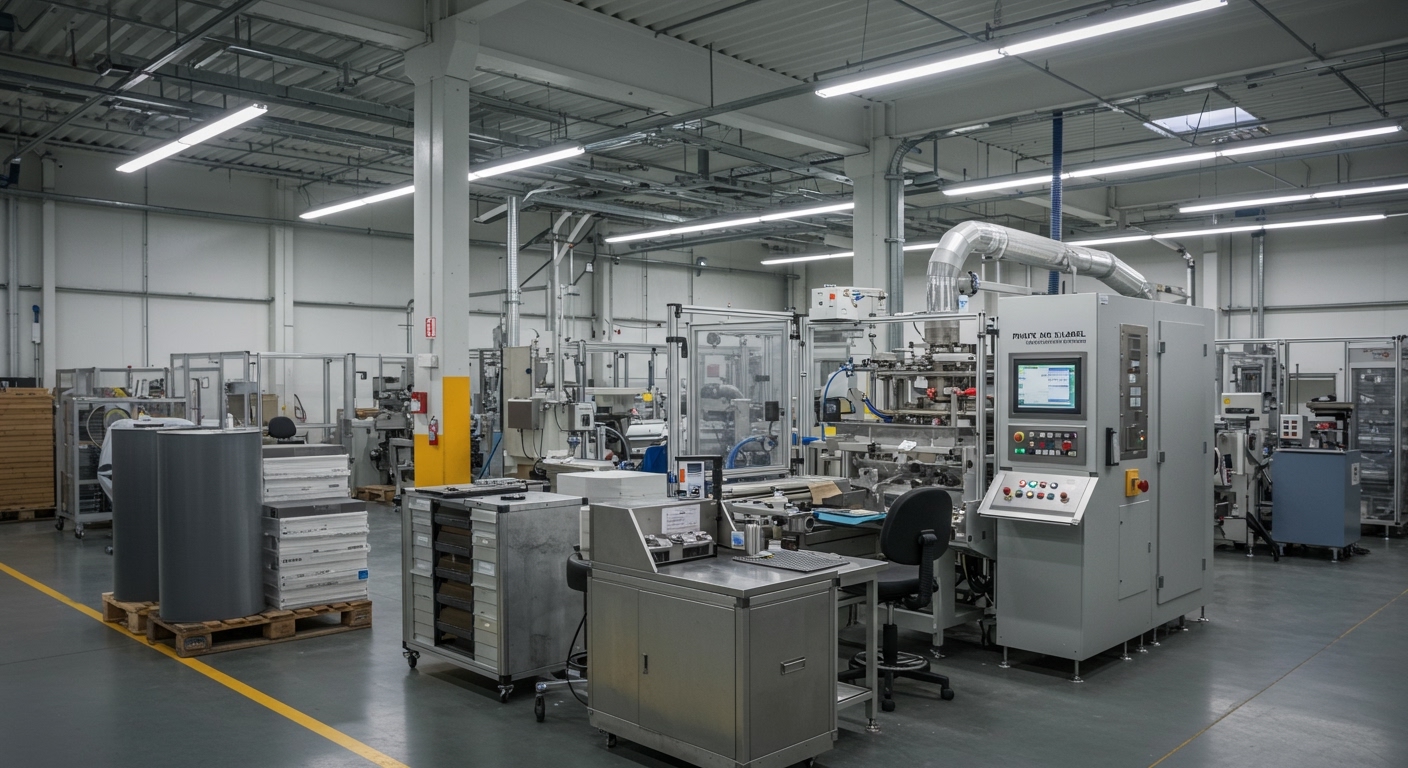
Private label manufacturing allows brands to launch products under their own name, using a third-party partner for production. This strategy is ideal for expanding into new categories like personal care, cosmetics, or wellness without the significant investment in R&D and manufacturing facilities.
Partnering with a private label manufacturer accelerates your speed-to-market and reduces upfront costs. You gain a competitive edge by leveraging their formulation expertise, certified facilities, and supply chain, freeing your resources to focus on brand building, marketing, and sales.
The main challenge is finding a partner who aligns with your standards for quality, compliance, and brand protection. Success depends on thoroughly vetting their quality systems, clarifying IP ownership for custom formulas, and navigating global regulations to build a true partnership committed to your brand's long-term growth.
Key Capabilities to Evaluate
- Assess their formulation and R&D services to see if they offer stock formulas, modifications, or full custom development. A strong R&D team is a powerful asset for creating innovative and differentiated products.
- Evaluate their manufacturing scale and technology. Ensure their production capacity can handle your forecasted volume, from pilot batches to full-scale runs, and that they have the right equipment for your product type.
- Analyze their packaging and fulfillment services. A turnkey partner can source components, perform compatibility tests, and manage labeling, kitting, and logistics, which streamlines your entire operation.
- Examine their raw material sourcing and supply chain management. A transparent process for vetting suppliers and ensuring ingredient traceability is crucial for quality, consistency, and navigating potential disruptions.
Questions to Ask Suppliers
- How do you ensure the confidentiality and protection of our brand's intellectual property, especially for custom formulations?
- Can you provide a detailed overview of your quality assurance process, from raw material inspection to final product release?
- What is your documented procedure for handling an out-of-spec production batch or a potential product recall?
- Describe your experience manufacturing for our target markets (e.g., EU, North America, Asia) and your approach to ensuring regulatory compliance.
- How do you manage supply chain volatility for key ingredients, and what is your communication protocol if a delay is expected?
Red Flags to Watch For
- Vagueness about quality control, certifications, or traceability. A reliable partner is transparent and forthcoming with documentation.
- A strong focus on their own stock formulas when you have expressed a clear need for custom development. This may signal a lack of R&D capability or flexibility.
- Inability to provide relevant case studies or client references for projects of a similar nature, scale, or market.
- Unusually low quotes compared to other bids. This can be a sign of compromised ingredient quality, inadequate compliance, or hidden fees.
- Resistance to a facility audit, whether in-person, virtual, or through a third-party service. Reputable manufacturers should be confident in their operations.
Relevant Certifications Explained
- Good Manufacturing Practices (GMP) are the foundation of quality production. Look for adherence to ISO 22716 for cosmetics, and note that cGMP signifies that a manufacturer follows the most current best practices.
- FDA Registration is required for facilities producing goods for the U.S. market. It confirms the facility is known to the agency but does not imply an FDA endorsement of the facility, its practices, or its products.
- Organic certifications are essential for making organic claims. Key examples include USDA Organic for the U.S. market and COSMOS/ECOCERT in the EU, each with strict rules on sourcing, formulation, and production.
- An ISO 9001 certification demonstrates a manufacturer’s formal commitment to a Quality Management System. It is a strong indicator of a structured, reliable, and well-organized partner focused on continuous improvement.
Typical Lead Times and MOQ Expectations
- Minimum Order Quantities (MOQs) vary significantly. Stock formulas often have lower MOQs, while custom products require higher volumes to offset the costs of R&D, testing, and dedicated production runs.
- The initial lead time for a new custom product is the longest phase, often spanning several months to account for formulation, stability testing, raw material sourcing, and pilot production.
- Once a product is established, reorder lead times typically shorten to a period of several weeks or a few months. This is highly dependent on raw material and packaging availability, so providing rolling forecasts is key.